
A furnace limit switch is a safety control that monitors the furnace temperature and shuts off the burners if it gets too hot, protecting the heat exchanger and the home. When heating equipment experiences restricted airflow or mechanical strain, internal temperatures can rise rapidly beyond normal operating limits. Without this sensor constantly measuring thermal conditions, elevated heat levels could warp internal components or create dangerous household conditions. Understanding how this small sensor operates helps homeowners make informed decisions about professional furnace services and daily heating care.
For homeowners in Sterling, VA, a tripping limit switch usually shows up on a cold day as a furnace that shuts off, blows cool air, or won’t heat. In most cases, the switch is reacting to an airflow problem rather than failing on its own. Knowing the difference helps you decide what you can check yourself and when to call a technician.
Understanding How the High Limit Safety Device Functions
Modern residential heating systems rely on a series of interconnected automated switches that protect mechanical parts and keep fuel combustion balanced. Safety controls interrupt normal heating operation instantly when temperatures approach hazardous levels.
What Does a Furnace Limit Switch Do?
To understand what a furnace limit switch does, look at where it’s mounted inside the cabinet. The sensor sits directly on the supply plenum or furnace casing, just above the heat exchanger, where air temperatures peak. Technicians often call this a furnace high limit switch; it has a temperature-sensitive probe that extends into the main airstream. When warm air circulates smoothly across the heat exchanger, the switch stays closed, keeping the electrical circuit powering the gas valve and ignition system energized. If heat builds up beyond normal limits, the switch opens the circuit, immediately cutting fuel to the burners while allowing the distribution fan to continue pushing trapped heat away from the heating element.
Combined Blower and Limit Controls
On some older or traditional furnace models, manufacturers installed a combined fan and limit control rather than an isolated high limit safety sensor. This combined control monitors temperature with an integrated bimetallic element that rotates as the air plenum warms or cools. In addition to serving as a safety cut-off, this dual-purpose switch tells the circulating fan when to start blowing warm air through the home and when to stop after the burners shut down. Modern furnaces typically rely on integrated electronic control boards to time the blower motor, but they still depend on a dedicated furnace high limit switch to stop fuel flow the moment temperatures exceed factory limits.
Limit Switch Tripping Compared to Component Breakdown
Homeowners often assume an unexpected furnace shutdown means a physical component has completely failed. In many service visits, the sensor hasn’t malfunctioned; it is simply doing its required safety job. Distinguishing a protective safety trip from an electrical failure requires understanding what drives abnormal heat buildup inside the cabinet.
A Protective Safety Trip Versus Switch Wear
A switch doing its job differs fundamentally from a failed switch. When the furnace overheats, the switch correctly cuts power to the gas valve to prevent heat damage. Once the blower cools the furnace down to a safer temperature, the switch closes again, allowing the furnace to restart. If this cycle repeats repeatedly, the switch can wear out. Its contacts can stick open, or the switch can start opening at lower temperatures than it should, which keeps the furnace from heating normally even after the airflow problem is fixed.
Primary Causes of Furnace Overheating
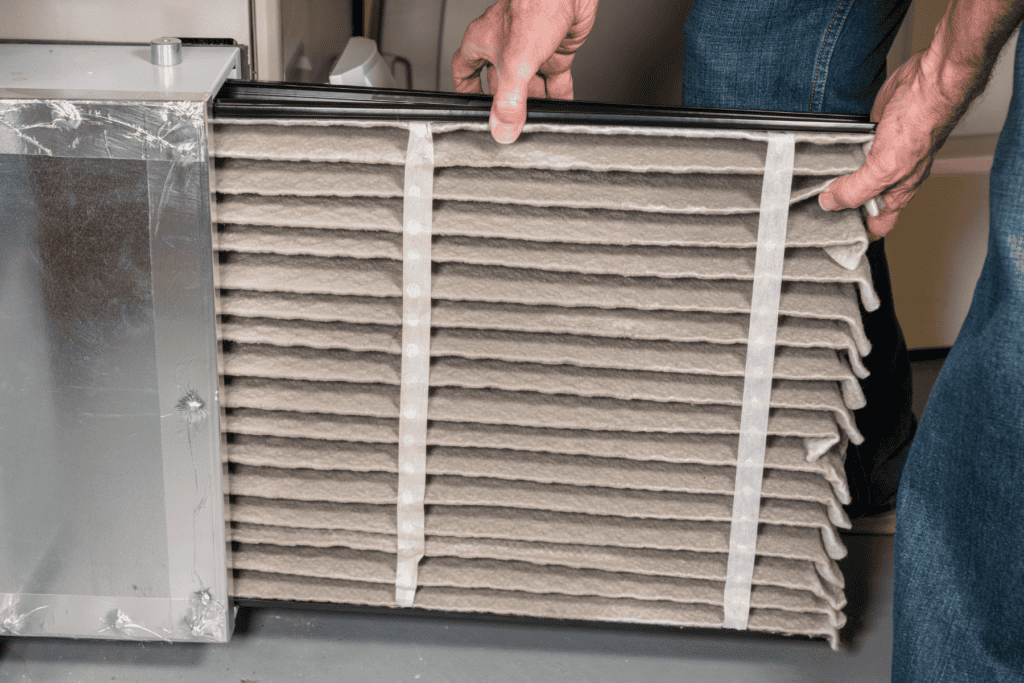
Restricted airflow is the most common reason a furnace limit switch trips during winter operation. When air can’t move freely across the heat exchanger, heat builds up inside the furnace. A dirty furnace filter is the most common culprit because it restricts the return air the furnace needs to carry heat away. Closed supply vents and return grilles blocked by rugs or furniture reduce airflow through the house, and damaged, undersized, or disconnected air ducts can restrict it too. Blower problems, such as a weak motor or a worn belt on older models, can also prevent enough air from moving across the furnace’s hot parts.
When airflow drops for any of these reasons, heat builds up rapidly around the combustion chamber. Addressing these airflow bottlenecks early protects the equipment from excessive thermal cycles.
Warning Signs and Safety Risks of Limit Switch Problems
When a heating system struggles with thermal regulation, homeowners can spot several operational changes before the system shuts down completely. Catching these early performance changes helps homeowners schedule professional service before the heating unit sustains lasting structural harm.
Homeowners should look out for several distinct operational symptoms when assessing furnace performance:
-
- The furnace keeps shutting off after running for only a few minutes, then restarts shortly after cooling down.
- You notice the furnace blowing cold air through the supply registers because the burners extinguished while the blower kept operating.
- The furnace fan won’t turn off and runs constantly, trying to cool an overheated heat exchanger.
- The furnace refuses to start or ignite because the switch contacts are permanently stuck open.
Any of these symptoms means your furnace needs attention from a technician. Other problems, such as a failing control board or an electrical issue that blows a fuse, can cause these symptoms, so a proper diagnosis matters. Repeated overheating also stresses the heat exchanger, and over time that stress can cause cracks that let exhaust gases escape. For that reason, every residence utilizing gas heating equipment should maintain operational smoke and carbon monoxide detectors on every living level. Never bypass, alter, or jumper a furnace limit switch with electrical wire, as disabling a safety control leaves the furnace with no defense against catastrophic overheating.
Homeowner Troubleshooting, Professional Diagnosis, and System Care
Homeowners can safely do a few basic visual inspections to restore proper airflow before calling a professional. First, inspect the filter slot and immediately replace a dirty furnace filter with a clean replacement. Next, do a quick walkthrough to confirm all supply registers are fully open and that no furniture or heavy draperies block return grilles. If the furnace keeps shutting off after you’ve restored airflow, turn the system off at the thermostat and call a technician.
When a technician evaluates the furnace, they check airflow through the system, the temperature rise across the heat exchanger, and the electrical side of the controls. The technician tests the switch’s electrical continuity, inspects the blower wheel, and measures temperature differentials to determine whether an airflow problem or a failed component is responsible.
When switch contacts degrade or lose calibration, a professional furnace limit switch replacement restores dependable operation. If an older furnace has suffered structural heat exchanger fatigue from years of overheating, a contractor may recommend a new heating installation to ensure long-term home safety. Scheduling comprehensive annual furnace maintenance remains the best way to keep electrical controls calibrated and prevent dangerous thermal buildup before cold temperatures arrive.
Schedule Professional Furnace Repair and Heating Care
If your furnace keeps shutting off, blows cold air, or won’t ignite, have it checked before the next cold snap. John Nugent & Sons has provided heating services to homeowners in Sterling, VA, since 1975, from diagnosing limit switch problems to seasonal maintenance, and same-day service is available. Schedule service online today with John Nugent & Sons to keep your home warm and secure.