
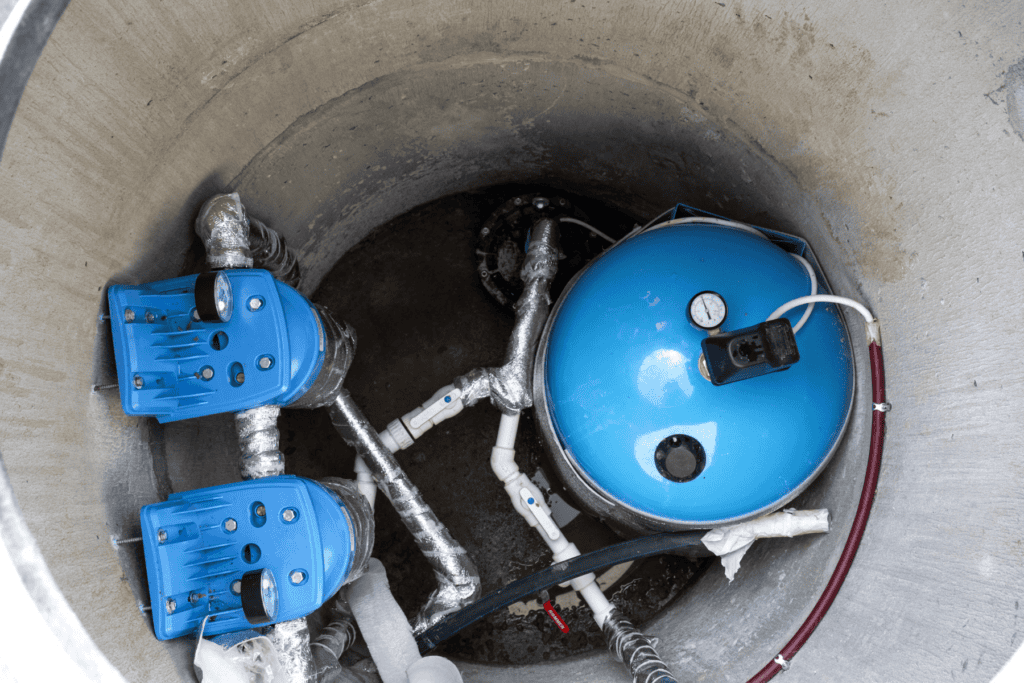
Sudden or persistent low well water pressure usually stems from issues with the pressure tank, the pressure switch, a clogged filter, or the well pump itself. Unlike city water, low well water pressure is usually caused by equipment on your property. Professional plumbing services can evaluate these components to pinpoint exactly where the system is restricting water delivery.
Understanding how a residential well delivers water makes troubleshooting much simpler. The submersible or jet pump draws water from deep underground to fill a dedicated pressure tank inside your house. An electromechanical pressure switch monitors internal line pressure, turning the pump on when water pressure drops and shutting it off once the system reaches its set capacity.
When any component in this mechanical chain falters, your faucets and appliances immediately lose pressure. Identifying whether the issue involves electrical controls, mechanical wear, or physical blockages helps you choose the right next step. This guide breaks down the primary causes of pressure loss, practical homeowner observations, and when to call a professional.
Common Causes of Well Water Pressure Problems
Multiple mechanical and environmental factors can disrupt water delivery throughout your household plumbing. When you notice your well water pressure is low during routine use, diagnosing the root issue requires examining mechanical components, water chemistry, and underground lines. Identifying the specific source of resistance prevents unnecessary repairs and restores steady flow to your home.
Failing or Waterlogged Pressure Tank
A residential pressure tank uses an internal bladder or diaphragm to separate air from stored water. When this internal barrier ruptures, air escapes and the tank fills completely with water, creating a waterlogged condition. Without an air cushion to maintain line pressure, you may notice significant well water pressure problems, with fixtures surging and sputtering.
Worn or Misadjusted Pressure Switch
The pressure switch acts as the brain of your well system by signaling the pump when to activate. Over years of continuous operation, electrical contacts can corrode, pit, or fail to register pressure changes accurately. A failing switch may delay pump activation, resulting in noticeable drops in water delivery before the pump engages.
Clogged Water Treatment and Filtration Equipment
Sediment cartridges, whole-home filters, and specialized treatment units capture fine particles before they reach your plumbing fixtures. As these media trap silt, iron, and grit, they gradually restrict water movement through the supply line. Servicing your water filtration equipment clears these blockages and restores proper flow through your fixtures.
Mineral Buildup from Hard Water
Groundwater in Northern Virginia often carries dissolved calcium and magnesium that gradually coat the interior of household piping. Over time, heavy scale restricts the interior diameter of pipes, aerators, and shower valves, causing low water pressure. Installing a dedicated water softener prevents minerals from narrowing your distribution plumbing.
Pump Wear and Mechanical Failure
When impellers or internal motor bearings wear out, you may have a well pump not building pressure to the level your home needs. A damaged check valve can also cause a well pump to lose pressure back into the well casing between cycles. If you suspect motor wear, professional well pump service can pinpoint the problem.
Underground Supply Line Leaks
The buried pipe running between your wellhead and the foundation must withstand soil shifts, frost heave, and root pressure. A crack or puncture in this line allows pressurized water to escape into the yard before reaching your home. If you have low water pressure with a well system and soggy ground between the well and home, you should inspect the water line.
Seasonal Water Table Fluctuations
Extended dry spells or seasonal droughts can temporarily lower the groundwater level surrounding your well screen. When the water table falls, the pump may draw a mixture of air and water or struggle to maintain steady volume during heavy demand. Managing household water usage during dry periods helps protect the pump from running dry until local aquifers recover.
Evaluating Household Symptoms and Well Pump Short Cycling
Diagnosing low well water pressure starts with observing where and how flow drops occur throughout the house. Because different mechanical failures can produce nearly identical symptoms at the tap, careful evaluation is necessary. Recognizing specific operating patterns helps a certified technician identify the exact cause behind your pressure reduction.
Single Fixture vs. Whole-House Pressure Loss
When weak flow occurs at only one sink or shower, the well pump and pressure tank are rarely the cause. Isolated issues typically point to clogged faucet aerators, partially closed shutoff valves, or localized mineral buildup within that specific supply line. In contrast, a low water pressure well problem that affects every faucet, shower, and appliance points to a system-wide restriction at the well, pressure tank, or main supply line. Homes with low water pressure and well systems have different causes than homes on city water, so the fix usually starts with the equipment on your property.
Why Well Pump Short Cycling Wears Out Equipment
Rapid clicking and frequent motor startups point to an operating condition known as well pump short cycling. This most often happens when a pressure tank becomes waterlogged and loses the compressed air needed to buffer water flow. Because water cannot be compressed, opening a faucet causes system pressure to plummet instantly, which forces the switch to start the pump immediately.
When the pump engages, the small volume of unbuffered water raises system pressure almost instantly, shutting the pump off seconds later. Starting against full line resistance multiple times a minute generates intense heat within the pump motor and electrical contacts. Over time, this rapid cycling severely stresses the pump windings, degrades the pressure switch, and leads to premature mechanical failure.
Safe System Checks and How to Increase Well Water Pressure
Before calling for professional service, you can gather valuable details about your plumbing without exposing yourself to hazardous electrical components. Simple visual and auditory observations provide technicians with critical context about how the system operates under load. Noticing these patterns helps streamline professional diagnostics and reduce repair times.
Routine Visual and Auditory Checks
Homeowners can safely monitor several indicators around the basement or utility closet to help pinpoint flow restrictions. Writing down what you notice before a plumbing inspection helps your technician track down intermittent issues. When inspecting your private well components, look and listen for the following signs:
- Check whether low pressure affects only one isolated fixture or persists across every faucet in the house.
- Check the mechanical pressure gauge near the pressure tank to see where the needle rests.
- Listen near the tank for the rapid clicking of the switch or frequent cycling of the well pump motor.
- Inspect the housing of any sediment filter or pre-treatment unit to see if the filter media appears clogged with dark debris.
- Walk the property line between the wellhead and your foundation to check for soggy grass, standing water, or visible leaks.
Recording these details helps your service technician understand whether the restriction comes from mechanical wear, sediment accumulation, or compromised supply piping. Sharing these observations during your initial service call lets the technician arrive with the right replacement parts and testing instruments. Keep in mind that multiple separate defects often trigger identical symptoms on the pressure gauge.
How to Increase Well Water Pressure Safely
Increasing well water pressure depends on correcting the underlying mechanical restriction rather than forcing the system beyond its intended design. If mineral buildup or a clogged filtration unit limits water flow, servicing filter elements often restores proper delivery without further mechanical changes. Modifying tank air levels or recalibrating the switch mechanism requires specialized tools and should always be done by a licensed plumber in Sterling, VA, who understands the infrastructure.
Working on private well infrastructure involves serious electrical and mechanical safety hazards. Well pumps and control switches operate on high-voltage power supplies that can cause severe electrical shock or equipment damage. Homeowners should never remove the protective switch cover, modify electrical contacts, attempt to recharge the tank bladder, or pull the pump from the well casing.
Restoring Consistent Water Delivery to Your Well
Persistent low well water pressure signals that an essential component of your water delivery system needs professional attention. A waterlogged tank, a worn pressure switch, or scale accumulation in local supply lines can quickly escalate from minor component wear into total system failure. Reliable water delivery depends on balanced coordination between the pump, the storage tank, and the distribution lines.
Relying on licensed technicians for testing and maintenance protects your home from electrical hazards and helps keep your system dependable. Experienced professionals use calibrated diagnostic tools to measure operating amperage, test switch contacts, and safely verify tank integrity. Timely maintenance keeps your well running efficiently and restores comfortable water pressure throughout your home.
Schedule Well Pump Service with John Nugent & Sons
If you are tired of weak shower flow or sputtering faucets, turn to John Nugent & Sons for dependable well pump repair and comprehensive well care. Established in 1975, our team provides trusted plumbing in Sterling, VA, and throughout surrounding Loudoun County communities. Our licensed plumbers arrive equipped to inspect your pressure tank, test electrical controls, and pinpoint the exact source of your flow restriction.
We believe in honest communication and provide clear upfront pricing before any work begins so you can make informed decisions about your home. Contact John Nugent & Sons today to schedule professional Northern Virginia plumbing services and enjoy strong, dependable water pressure once again.