Your Comfort Is Our Priority – Reliable Heating & Cooling Services You Can Trust!

GFI vs GFCI: What’s the Difference and Why It Matters

Person installing or repairing an electrical outlet above a kitchen counter, using a screwdriver, with the outlet cover and screws placed nearby.

You interact with electrical outlets every day at home, in your office, and at local businesses. However, you might not give much thought to the specific types of receptacles keeping you safe from electrical hazards. When upgrading home wiring or troubleshooting a tripped circuit, many Northern Virginia homeowners encounter two common acronyms and ask about GFI vs. GFCI. If you are wondering what a GFI is, or if you need a GFCI instead, you are not alone. This guide explains the terminology, how ground-fault protection works, and why these safety devices are critical to preventing dangerous electrical shocks.

Understanding the Terminology: GFI and GFCI Explained

The difference between GFI and GFCI is mostly a matter of terminology, since both refer to ground-fault protection. They describe the exact same life-saving electrical safety technology used in modern buildings. Whether you hear someone say GFI plug, GFCI outlet, or GFCI breaker, the purpose is the same: to help shut off power quickly when an unsafe electrical imbalance is detected.

What is a GFI?

A Ground-Fault Interrupter, or GFI, is a device designed to protect people from severe electric shock. It constantly monitors the flow of electricity through a circuit. If the device detects an imbalance that causes electricity to escape from its intended path, it immediately cuts power to prevent injury.

What is a GFCI Outlet?

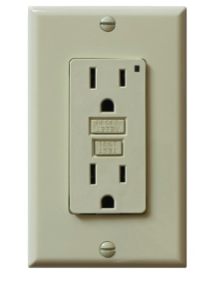
A Ground Fault Circuit Interrupter is simply the full, technical name for this device. When you ask, “What is a GFCI outlet?”, it is a standard receptacle equipped with this built-in safety monitoring system. You will usually recognize them by the small test and reset buttons located directly on the faceplate. Whether a contractor refers to a GFI plug or a GFCI outlet, they are talking about the same mechanism designed to prevent dangerous electrical currents from causing harm.

How Ground Fault Protection Keeps You Safe

Standard electrical outlets protect your home’s wiring from short circuits, but they do not protect you from electrical shocks. Ground fault protection steps in to fill this critical gap. When water enters an outlet or a faulty electrical tool leaks current, the electricity seeks the fastest path to ground. Without protection, that path could be through a person. A GFCI device detects this dangerous misdirection in milliseconds and shuts off the power before a severe shock occurs.

Where GFCI Protection is Commonly Needed

Building codes place heavy emphasis on ground-fault protection in areas where water and electricity are in close proximity. These areas are more likely to expose outlets, plugs, tools, and appliances to moisture, increasing the risk of electric shock. Because of this, GFCI protection is commonly required in spaces where people may be using electrical devices near sinks, wet surfaces, unfinished floors, or outdoor conditions.

  • Kitchens, especially near sinks and countertops
  • Bathrooms and powder rooms
  • Garages and workbenches
  • Unfinished basements
  • Laundry areas and utility rooms
  • Outdoors, including near exterior walls and pool pumps
  • Near wet bars or utility sinks

If your home or business has older outlets in these areas, it may be worth having them inspected by a licensed electrician. Updating to proper GFCI protection can help improve electrical safety and ensure your outlets are better suited for moisture-prone spaces where ground-fault protection matters most.

Testing and Maintaining Your Outlets

Because these devices are essential for your safety, regular testing is a vital part of basic home maintenance. Experts recommend testing your protective outlets once a month to ensure the internal shut-off mechanism still works correctly.

How to Test a GFI Outlet

Testing is a straightforward process you can perform safely. First, plug in a small lamp or nightlight and turn it on. Next, press the “Test” button on the face of the receptacle. You should hear a click, and the lamp should turn off immediately. Finally, press the “Reset” button to restore power to the outlet. If the lamp does not turn off when you press the test button, or if the reset button fails to stay pushed in, the outlet is compromised and requires professional replacement.

When to Consider GFCI Breakers

In some cases, your electrical panel can provide whole-circuit protection instead of relying on individual receptacles. GFCI breakers are installed directly into your main electrical panel, protecting every standard outlet and device on that specific circuit. This is a highly effective way to secure older homes where replacing individual outlets might be complex.

Prioritizing Electrical Safety in Your Home

Understanding electrical safety terminology is the first step toward a safer home. Whether you call it a GFI or a GFCI, the underlying technology is a vital defense against dangerous electrical currents. Ensuring you have proper ground-fault protection in wet areas like kitchens, bathrooms, and garages protects your family and keeps your property up to current safety standards. Routine monthly testing guarantees these devices are ready to perform when a fault occurs.

Expert Electrical Services in Northern Virginia

Since 1975, John Nugent & Sons has provided trusted, reliable electrical services to homeowners and businesses throughout Northern Virginia. If you have older, unprotected outlets in your kitchen or bathroom, do not attempt unsafe DIY wiring repairs. Leave the heavy lifting to trained professionals. Contact our team to schedule a thorough inspection, an outlet replacement, or a new breaker installation. Reach out to John Nugent & Sons today to ensure your electrical system is completely safe.


Categories

Contact Us Today!

Opt-in
Americans with Disabilities Act (ADA) Notice

At John Nugent & Sons, we are committed to ensuring that individuals with disabilities enjoy full access to our websites. In recognition of this commitment, we are in the process of making modifications to increase the accessibility and usability of this website, using the relevant portions of the Web Content Accessibility Guidelines 2.0 (WCAG 2.0) as our standard. Please be aware that our efforts are ongoing. If at any time you have difficulty using this website or with a particular web page or function on this site, please contact us by phone at (571) 626-5403; or email us at ([email protected]) and place “Web Content Accessibility (ADA)” in the subject heading and we will make all reasonable efforts to assist you.

Schedule Now

Opt-in